How to Stay Warm in a Tent: The Ultimate Cold-Weather Camping & Trekking Guide for Women
Cold nights in a tent are rarely what women worry about before a trekking or backpacking adventure, but they are often what shape the experience most.
Most women expect the hiking to be challenging. They anticipate early mornings, tired legs, and long days on the trail. What almost no one expects is how cold it can feel at night, even in destinations that are warm and sunny just hours earlier.
On multi-day and high-altitude treks, cold is a predictable condition. And when it isn’t explained clearly, it becomes the moment many women think:
“I should have packed more layers,” which is a signal that preparation didn’t match real conditions.
The good news is simple: staying warm in a tent is a skill that can be learnt.
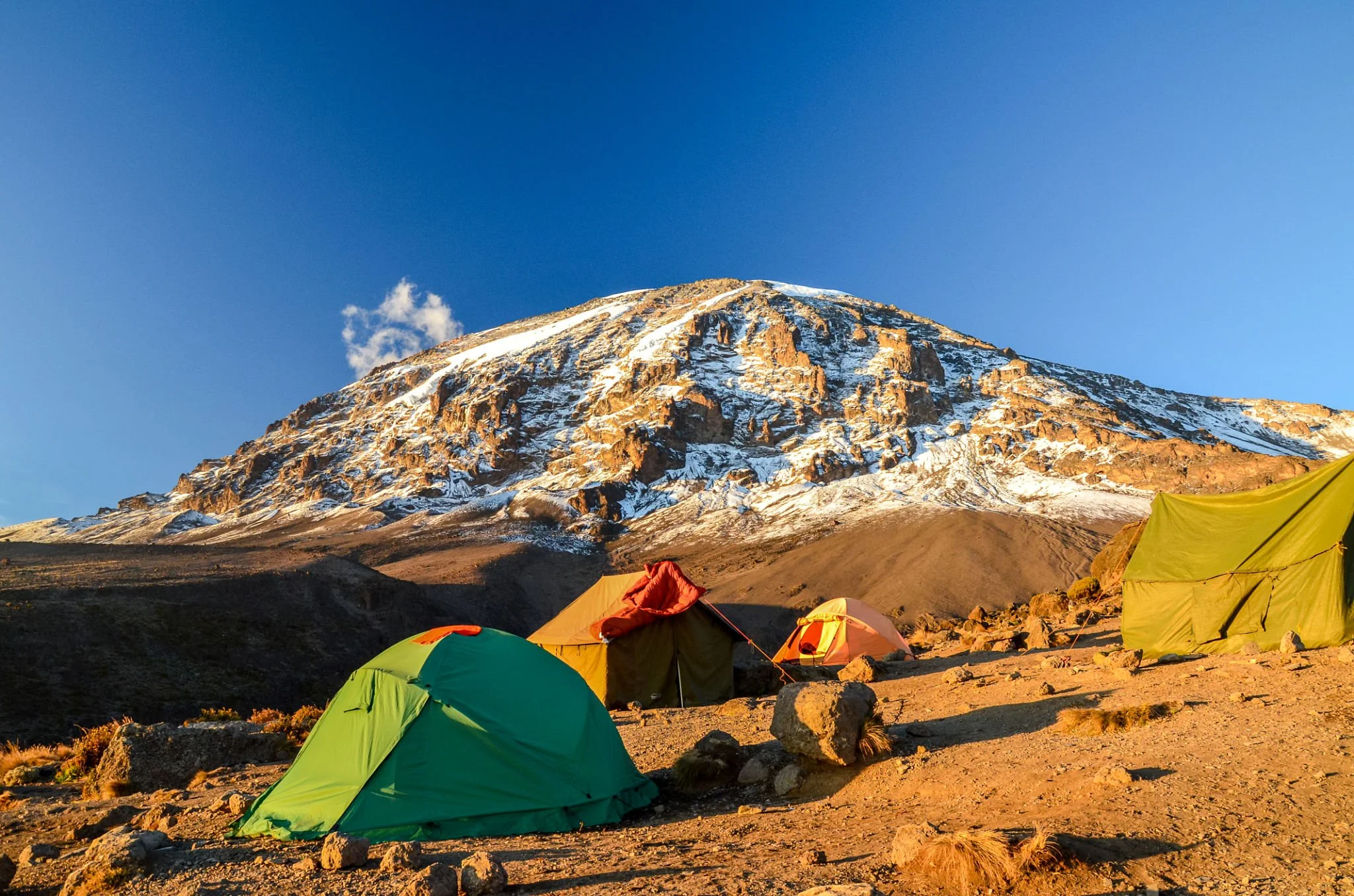
Kilimanjaro camping setup
Why Cold Nights Feel So Intense on Trek
Understanding why tents feel cold makes it much easier to solve the problem without guesswork.
Body Heat Drops During Sleep
Once the body transitions from movement to rest, heat production drops significantly. This is why many people feel comfortable at dinner and suddenly feel cold minutes after lying down inside the tent. For female hikers, age, hormonal changes, and menstrual cycle phase can all influence how sensitive the body is to cold.
The Ground Actively Pulls Heat Away
Cold ground removes warmth through conduction. Insulation beneath the body matters just as much, often more, than insulation above it. A sleeping bag alone cannot prevent heat loss if the ground is not properly insulated.
Altitude Changes the Equation
At higher elevations:
Air holds less heat
Wind removes warmth faster
The body is already under stress due to high elevation, fatigue, or lack of sleep
Cold at altitude is rarely just about temperature. It is the combination of exposure, wind, loss of appetite, and fatigue.
Fatigue Reduces Cold Tolerance
As trekking days add up, the body becomes less efficient at regulating temperature. This is why cold often feels worse on later nights of a trek, even when conditions appear similar.
Food Is the First Layer of Warmth
One of the most overlooked warmth strategies is nutrition. The body generates heat by digesting food. When intake drops, especially carbohydrates and fats, warmth drops with it, regardless of gear quality or weather conditions.
On trek, dinner is often skipped or under-eaten due to fatigue, nausea, or lack of appetite at altitude. The result is almost always the same: a colder, more restless night.
Foods that help sustain warmth:
Rice, pasta, potatoes
Soups and stews
Nut butters and trail mix
Cheese and olive oil
Dark chocolate
Eating before bed is not optional in cold environments. It is part of a good sleep system.
Sleeping Bags: Ratings vs. Reality
Sleeping bag temperature ratings are one of the most misunderstood pieces of gear information, especially for multi-day, cold-weather, and high-altitude treks.
Most sleeping bags are rated based on survival thresholds. In other words, a bag may technically keep someone alive at a certain temperature, but that does not mean it will feel warm or allow for quality sleep, particularly after long trekking days, at altitude, or when the body is fatigued.
For cold-weather treks, sleeping bags should generally be rated 10–15°F colder than the lowest expected nighttime temperature. This buffer accounts for real-world factors such as fatigue, wind exposure, altitude, individual cold sensitivity, and reduced calorie intake, all of which make nights feel colder than forecasts suggest.
Women-specific sleeping bags often perform better in these conditions because they are designed with:
Additional insulation at the hips and feet (common cold spots)
Reduced dead air space, which improves heat retention
A cut that better reflects how many women retain heat while sleeping
Even when temperature ratings appear sufficient on paper, a sleeping bag can still feel inadequate in real trekking conditions. Fatigue, dehydration, hormonal fluctuations, and altitude all increase cold sensitivity and reduce the body’s ability to stay warm overnight.
This is why sleeping bag choice should never be based on temperature ratings alone. Comfort margins matter, especially on treks where sleep quality directly affects energy levels, safety, and overall enjoyment.
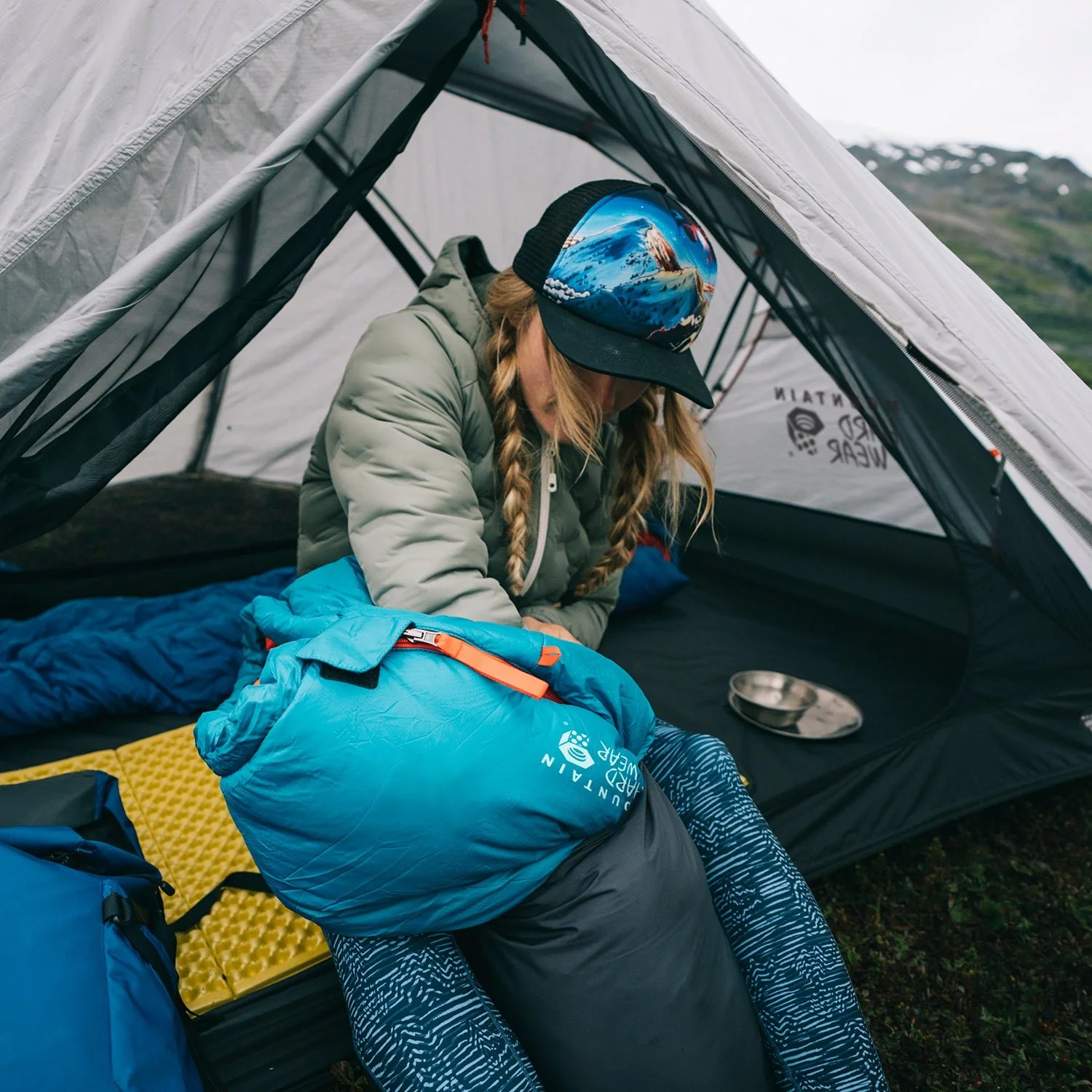
All weather rated sleeping bag for women
The Sleeping Pad: Where Most Cold Nights Begin
When you are cold at night, the sleeping pad is often the missing piece.
Yes, a good sleeping bag is important, but sleeping bags do not insulate underneath the body. Once insulation is compressed, it stops working. Without adequate ground insulation, heat loss is constant.
Upgrading the sleeping pad frequently changes sleep quality more than upgrading the sleeping bag.
Add a Sleeping Bag Liner (Small Item, Big Impact)
Sleeping bag liners:
Add 5–15°F of warmth
Help manage moisture
Keep bags cleaner on long treks
If you’re renting a sleeping bag from a trekking company. A sleeping liner is more hygienic, too
For cold-weather camping, liners offer one of the highest warmth-to-weight returns.
Sleep Layers: Why Good Layers Matter More Than More Clothes
When it comes to staying warm at night, layering is often misunderstood. Many people assume that piling on more clothes will automatically mean more warmth. In reality, dryness and circulation matter far more than the number of layers.
Once the body stops moving, any moisture trapped in clothing, from sweat, humidity, or condensation, rapidly pulls heat away. Even small amounts of dampness can make a well-insulated sleeping system feel ineffective.
That’s why the goal at night isn’t to wear more layers, it’s to wear the right ones.
Effective Sleep Layers
The most reliable nighttime setup focuses on dryness, warmth, and unrestricted circulation:
A dry base layer (merino wool or synthetic)
This layer should be worn only for sleeping. It traps warmth close to the skin while allowing moisture to escape.Warm socks reserved exclusively for sleep
Feet lose heat quickly. Sleeping socks should always be dry and slightly loose to maintain circulation.A beanie or buff
A significant amount of body heat escapes through the head and neck. Covering these areas can dramatically improve overall warmth.
This simple combination is often more effective than wearing multiple damp or overly tight layers.
What Consistently Causes Cold Nights
Certain habits reliably make nights colder, even with good gear:
Sleeping in damp hiking clothes
Clothes that feel “mostly dry” are often still holding moisture. Once movement stops, that moisture becomes a heat drain.Too many tight layers
Over-layering can restrict blood flow, especially around the waist, legs, and feet, reducing the body’s ability to circulate warmth.Sweaty socks carried into the tent
Damp socks are one of the fastest ways to lose heat overnight, particularly at altitude.
The Mental Hurdle: Changing When It’s Cold
Changing into dry clothes can feel unpleasant, especially when the air is cold and fatigue is high. But it is one of the most effective warmth upgrades available, often more impactful than adding another jacket or blanket.
Making the switch into dry layers signals a clear transition from “movement mode” to “heat retention mode.” Once that system is in place, the sleeping bag and pad can do their job properly.
In cold environments, dryness is a core part of staying warm.
The Hot Water Bottle Method
Boiling water and placing it in a hard bottle (wrapped in a sock) provides reliable warmth through the night.
Positioned near the feet or thighs, it helps warm major blood vessels and improves circulation. On very cold treks, it also prevents water from freezing overnight.
Patterns That Show Up Again and Again
Across guided and independent treks, the same issues repeat:
Sleeping pads underestimated
Bags rated “almost warm enough.”
Food intake drops as fatigue increases
Damp layers carried into the tent
The women who enjoy these treks most are not the toughest. They are the most realistically prepared.
What Not to Do to Stay Warm
Staying warm in the outdoors is crucial. Some habits can actually make you colder, or put you in danger, especially in cold or high-altitude conditions. Here’s what not to do to stay warm inside a tent.
Candles or open flames inside tents
Even small flames are extremely dangerous in enclosed spaces. Tents are made of flammable materials, and open flames increase the risk of fire and carbon monoxide buildup, especially while sleeping.Gas or propane heaters inside tents
These heaters are not designed for enclosed use. They can release toxic gases, reduce oxygen levels, and create serious fire hazards. No amount of ventilation inside a tent makes this safe.Sleeping in damp clothes
Moisture pulls heat away from your body. If you go to bed in sweaty or wet layers, your body temperature drops much faster overnight, increasing discomfort and risk.Skipping meals
Your body needs fuel to stay warm. Under-eating in cold conditions slows heat production and leaves you feeling colder, weaker, and more fatigued.Treating suffering as a rite of passage
Being cold, miserable, or numb isn’t something to “push through.” Listening to your body and adjusting layers, food, or rest is a sign of experience, not weakness.
Being prepared, well-fed, and properly layered will always keep you warmer than shortcuts or toughness ever will.
Final Thoughts: Preparation Is Respect
Cold nights do not need to be endured. They can be managed intelligently, safely, and consistently.
When warmth is handled well, everything else improves: sleep, energy, altitude tolerance, confidence, and enjoyment.
That is what turns a hard trek into a meaningful one.